The ACT Workbook for Teens with OCD: Unhook Yourself and Live Life to the Full
 Wright Institute Clinical Psychology Adjunct Faculty member Patricia Zurita Ona, PsyD, is releasing a new workbook based on Acceptance and Commitment Therapy (ACT) and Exposure Response Prevention (ERP). The ACT Workbook, to be released in December, teaches teens with Obsessive-Compulsive Disorder (OCD) "new skills to handle the stream of pesky obsessions" that show up in their mind.
Zurita Ona dedicates this workbook to all the teens she's worked with. They are "the best consultants I have ever had," says Zurita Ona. "With this workbook, I hope to make ACT and ERP less mysterious and more accessible."
Zurita Ona continues:
There are countless teens that wake up every day struggling with disturbing thoughts. Despite all the research we have on ERP, many teens still end up not receiving proper care.


 On January 14, representatives from over 40 community-based agencies came from around the Bay Area to visit the
 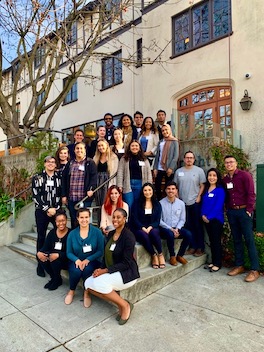 The Wright Institute hosted a day-long event for applicants who identify as first-generation college students and/or people of color to explore degree options in the psychology field, meet students and faculty, and ask questions about graduate school. We were lucky to spend the day with such strong prospective students!
 After two years in the
  Jeanette Lopez-Urbina, LCSW, recently became a core faculty member with the
  In the 11 months since graduating from the
  On Tuesday, July 7, seven distinguished
  Wright Institute